
When it comes to safe streets, Los Angeles doesn’t often get a spotless report. In 2022, the city breached 300 traffic deaths for the first time in 20 years. While a lot of these can be attributed to collisions, ask any regular pedestrian about walking in LA and you’ll hear horror stories. It seems like Missing Persons weren’t exaggerating! But if you come home from work one day to find a new crosswalk at the intersection in front of your home, don’t be too surprised. Even if the department of transportation is. Because a shadowy organization called Crosswalk Collective LA is laying down crosswalks faster than the transportation department can erase them.
A Unifying Passion for Safe Streets
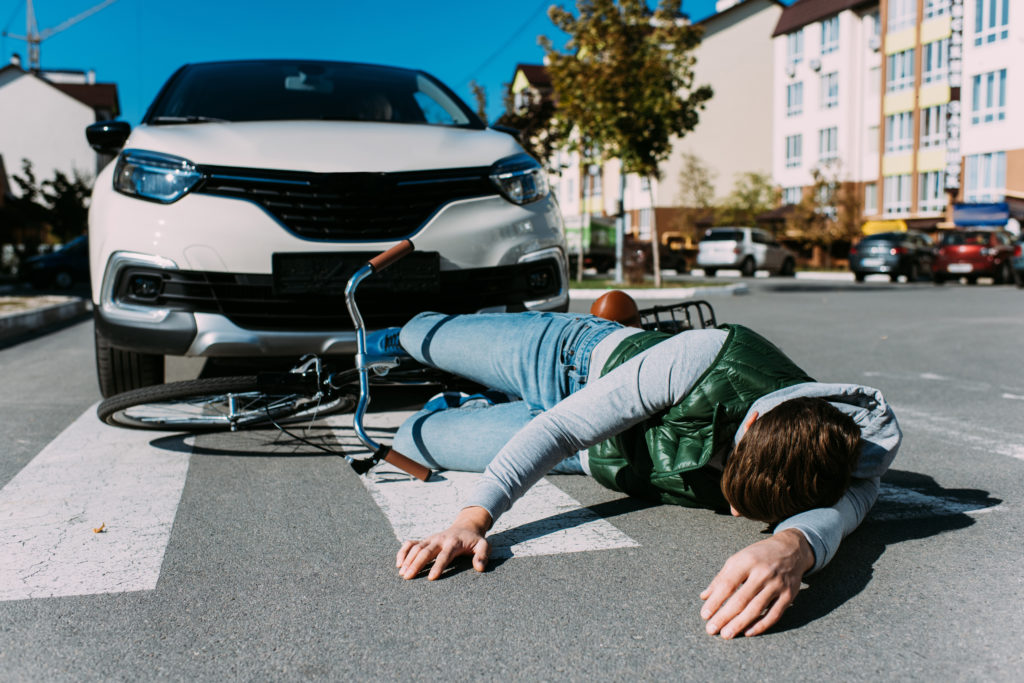
With Crosswalk Collective LA being a guerilla operation, members maintain anonymity. Perhaps it’s your neighbor with the dried paint on her jeans. Or the principal at your kids’ middle school. Maybe the elderly clerk at the corner store.
Chances are good that the only thread connecting its membership is a passion for safe streets. But that’s been enough to sustain Crosswalk Collective LA since their loose formation in March 2022. Ever since then, no crosswalk has been safe… or should we say “safe from being unsafe”?
The Liability of Safety
Yet, we live in a society in Los Angeles. That means rules, regulations, procedure, and all of the red tape that comes along with them. So, naturally, the Los Angeles Department of Transportation (LADOT) isn’t thrilled to hear about the nameless faceless masses donning reflective vests and laying down crosswalks to suit their whims.
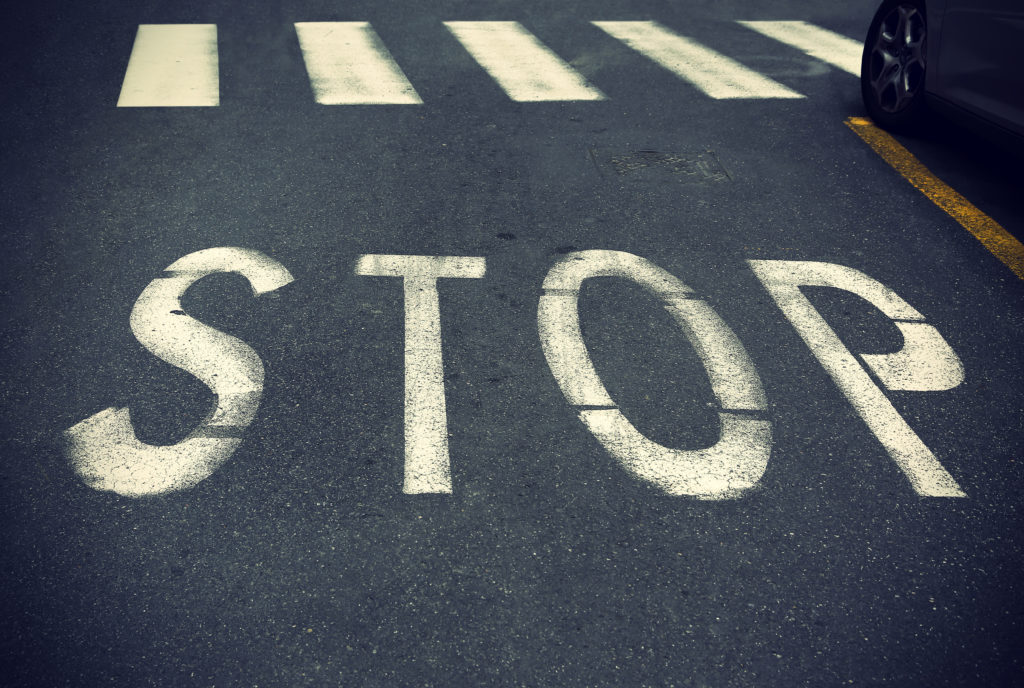
“Unauthorized street installations are illegal and the city can be held liable if they are left in place,” explained LADOT spokesperson Colin Sweeney to Slate’s Dan Kois last year. In a more recent email to The LAist’s Caitlin Hernández, Sweeney continued, “We also want to ensure that the city’s limited resources are delivered equitably, to the communities that have the highest safety risks.”
And liability may be a little more urgent than those limited resources. At least that’s what it seems like when LADOT regularly deploys to the sites of unauthorized crosswalks, removing Crosswalk Collective LA’s handiwork.
All in a Day’s Work for Crosswalk Collective LA
Yet, anonymous members of the mysterious safe streets organization argue that they’ve gone through the proper channels. They just weren’t too thrilled by the responses they received. After a stream of excuses, if they received any response at all, they opted to take matters into their own hands.
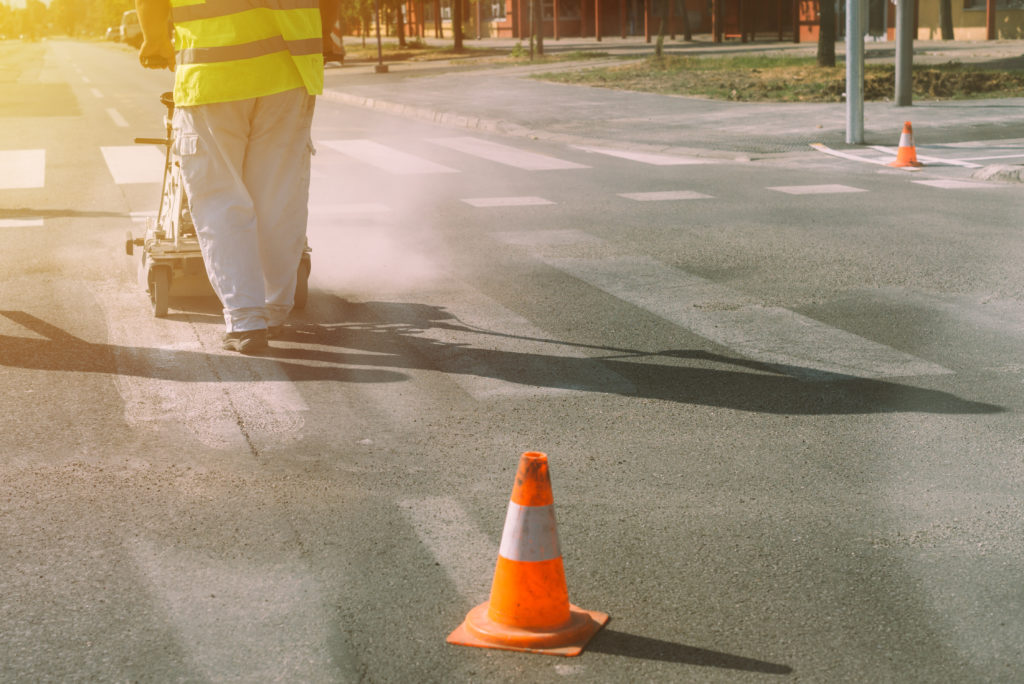
And while Crosswalk Collective LA remains a guerilla operation, the job at hand doesn’t allow them the luxury of getting in and out quickly. One crosswalk can take anywhere between 90 minutes to two hours. This accounts for allowing the quick-dry paint to set. Some of the more ambitious intersections can be all-day affairs.
Collective members stop short of outright impersonating city officials. But committed to doing the job right, they don hard hats and reflective vests. And they come prepared with cones and barricades. Passersby seem to pay them no mind, stopping to thank them if anything.
The Battle Between LADOT and Crosswalk Collective LA for Safe Streets
LADOT is less receptive on the rare occasions that they catch Crosswalk Collective LA in the act. Members have been cited to the tune of $250 before. And those citations climb in amount with each repeat offense. While Crosswalk Collective LA don’t happily accept the charges, they chalk it up to the price of safe streets.

And street safety may seem like it gets forgotten in the crossfire between Crosswalk Collective LA and LADOT. But occasionally, safety wins. Because sometimes, when LADOT finishes scrubbing away Crosswalk Collective LA’s carefully stenciled paint, they lay down their own. That’s right… some DIY crosswalks get turned into real crosswalks as if graced by some fairy godmother of transit.
The nameless members of Crosswalk Collective LA don’t resent watching their decoys get replaced with the real thing. But don’t go looking for any olive branches. “When LADOT installs a new crosswalk in the place of one of ours, it’s a direct response to our action,” they explained to The LAist, before continuing “as well as a tacit acknowledgement of the city’s failure to be proactive in building out this infrastructure.”
The Difference Between Activity and Proactivity
Ultimately, the schism between two organizations with a common goal comes down to activity versus proactivity. Sweeney draws attention to the fact that Crosswalk Collective LA regularly installs crosswalks in intersections with no history of critical or serious collisions. Some of the sites haven’t even prompted any crosswalk requests from the public.
_(41297171255).jpg)
And while Crosswalk Collective LA’s commitment to safe streets is commendable, they seem to hold little to no regard for traffic flow. Rather, it’s a system based on pedestrian whim. And in a city with so many motorists, that’s a recipe for chaos.
Part of the problem with guerilla infrastructure repair is that unofficial action often lacks full knowledge. Take for example the recent story of former California governor and bonafide action hero Arnold Schwarzenegger rolling up his sleeves and fixing a troublesome pothole on his street.
Schwarzenegger reinforced his arguable folk hero status when he got tired of waiting and chose instead to start doing. The only trouble was that the pothole was actually a utility trench intentionally created by the Southern California Gas Co.
Crosswalk Chaos
Crosswalk Collective LA seems less concerned with the details and more concerned with action. And fines be damned, they continue fielding public requests for vigilante street safety. They’re even claiming that people are asking them to install DIY speed bumps.
But who’s responsible for cars damaged by an improperly and illegally installed speed bump? Again, these aren’t the issues that concern Crosswalk Collective LA.
Sure, the slow wheels of government are frustrating. And the city’s infrastructure is sorely in need of urgent action. But action without a plan that only hears the voice of one niche of the community? If only there was a way for LADOT to join their data with Crosswalk Collective LA’s energy and resources.
Safe Streets But Different Roads
The quest for safe streets remains complex. If you think a street deserves a crosswalk, you can still go the official route and contact LADOT. You could also go the vigilante route and contact Crosswalk Collective LA.
Or, we suppose there’s just a $250 fine holding you back from doing it yourself. But what happens when your neighbor gets tired of cars parked in front of their house and decides to paint their curb red? We’re all for safe streets, but we’ll just stick with our Safe and Slow lawn signs…
Comments
Post a Comment