
Don’t call it a turf war. After all, the victor has already been declared. On October 13, 2023, Governor Gavin Newsom signed California State Assembly Bill 1572 (AB 1572) into law, signaling that the state would no longer tolerate the use of potable water to irrigate non-functional turf on a variety of sites and developments. Homeowners associations are among those directly impacted by the California turf mandate, though they have until 2029 to meet compliance. Never heard of AB 1572? Wondering if it affects you? Then allow us to break it down for you.
Get to Know AB 1572: The California Turf Mandate
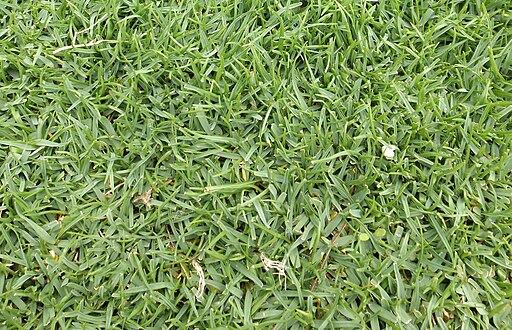

In an effort to curb wasteful use of potable water, AB 1572 prevents certain sites from utilizing potable water sources to irrigate non-functional turf. California considers non-functional turf as any mowed or manicured lawn utilized in a purely decorative manner. This means it doesn’t serve a functional purpose, such as a sports field or recreational area.
Though it passed in 2023, the first impacts of AB 1572, unofficially dubbed the California turf mandate, won’t hit until 2027. This is mostly to give the impacted institutions, entities, and parties time to prepare for the law’s strict regulations. Homeowners associations enjoy a slightly delayed grace period, with regulations not being enforced for HOAs until 2029.
Who is Affected by the California Turf Mandate?
Affected property owners will include:
- Commercial properties
- Corporate campuses
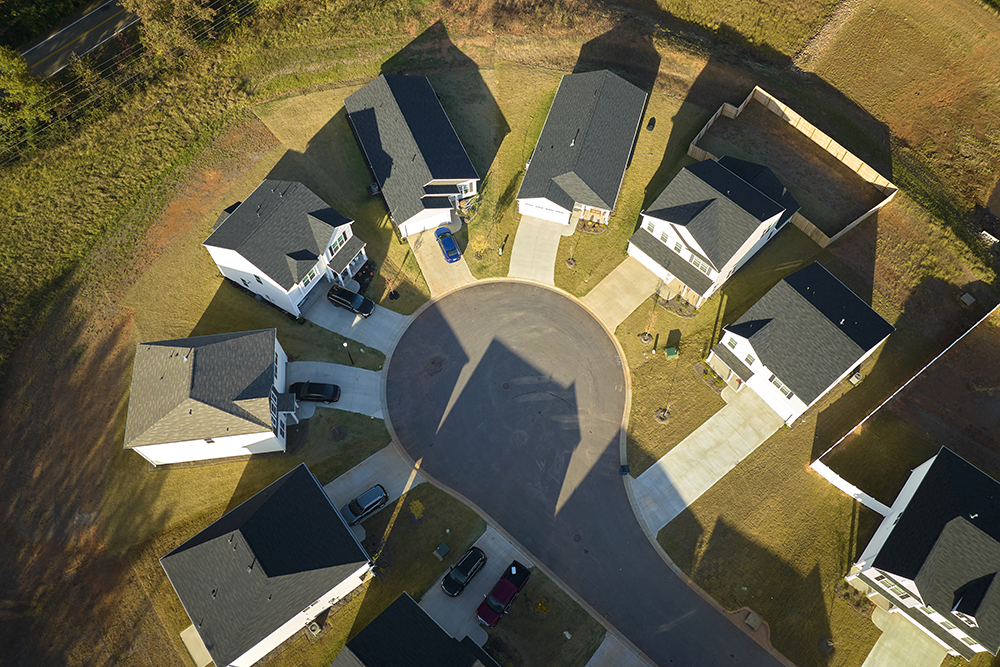
- Homeowners associations (and other common interest developments)
- Industrial parks
- Institutions
- Municipal properties
- Public agencies
- Restaurants
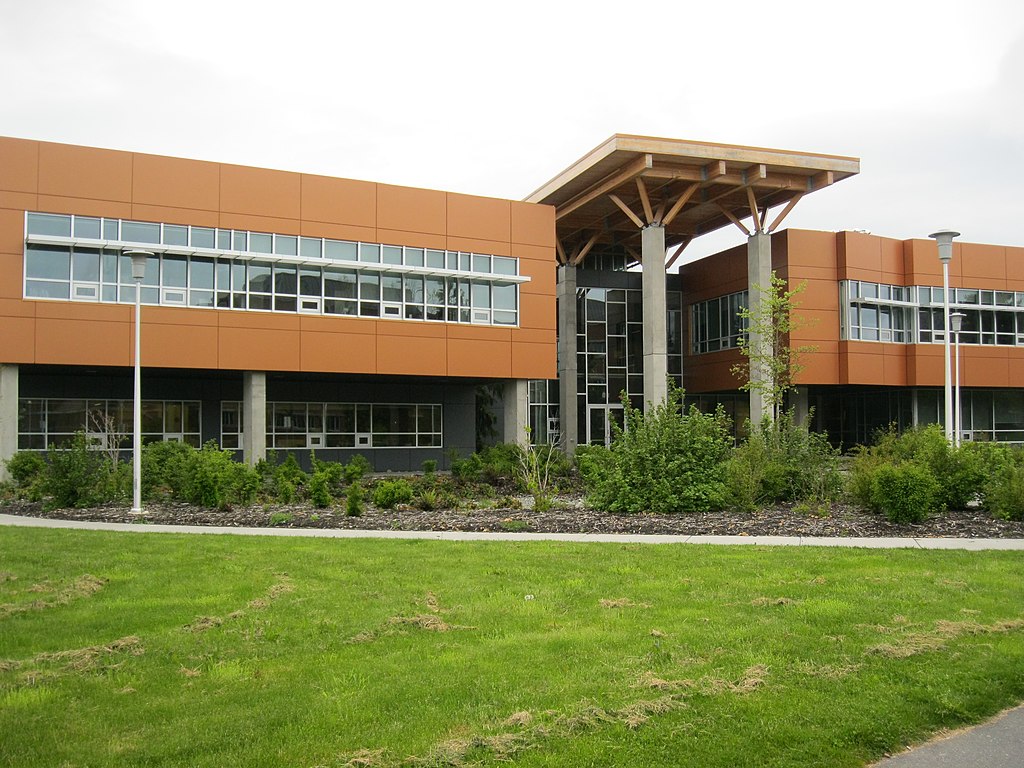

Affected sites will be required to transition from potable water to recycled water or to remove the non-functional turf completely. Responsibility falls on the property owner to provide certification of compliance. Failure to do so may result in penalties and/or civil liability. If any of this sounds familiar, you’re likely recalling the summer of 2022 when California adopted similar regulations during a state of emergency.
What Inspired the New Turf Law?
The reasoning behind AB 1572 is an attempt to curb the growing reliance on California’s Sacramento-San Joaquin Delta ecosystem, which typically provides water to millions of state residents while reinforcing agricultural efforts and local environments. Recent strain on the estuary has forced lawmakers to reconsider how we use its bounty. Climate change was yet another factor considered when drafting the law. After deeming the use of potable water in the irrigation of non-functional turf to be wasteful, AB 1572 was signed into law.
Timeline for Homeowners Associations and Other Impacted Properties
Though the law is technically already in effect, grace periods are being allotted based on property types. This helpful timeline, set to January 1 of each year, clarifies when certain property types will need to meet compliance with the California turf mandate.
- 2027: California Department of General Services properties, local government agency properties
- 2028: Commercial, industrial, institutional properties
- 2029: Homeowners associations (common areas), community service organizations, common interest developments
- 2030: Local government facilities in disadvantaged neighborhoods (as determined by California’s financial assistance records)
Further Details and a Few Exceptions
Systemic changes are happening behind the scenes, including the State Water Board’s development of a certification form for compliance and revisions to state regulations to accommodate AB 1572. Regulators will require any irrigated commercial, industrial, or institutional land parcels of 5,000 square feet or more to self-certify their compliance beginning in 2030.
If you’re worried about your residential property, take comfort in knowing that the new laws don’t apply to residential land. Even the affected homeowners associations have these regulations limited to common areas. A full list of exceptions includes:
- Cemeteries
- Golf courses
- Parks
- Residential lawns
- Sports fields
Likewise, potable water is still permitted to provide healthy care for trees and perennial plants that aren’t part of a property’s turf.


Preparing for a Dry Future
Obviously, AB 1572 will bring a lot of potentially expensive changes to homeowners associations and other impacted properties. With less than four years to prepare, several of California’s commercial property owners are already scrambling to achieve compliance so they’re sitting pretty by 2029. But there’s a long, dry road ahead.
Comments
Post a Comment